.svg)


Cold calling remains one of the most effective lead generation methods for growing businesses. While it often involves more resistance upfront compared to warm calling, it also creates opportunities to build rapport from scratch—making objection handling a key factor in success.
Our professional cold calling center specialists have mastered these objection-handling techniques through thousands of daily sales calls across diverse industries. The proven strategies outlined here will help you understand not just what prospects say, but what they really mean — and how to respond in ways that move the conversation forward.
Understanding Why Prospects Raise Objections
Most cold calling objections aren't genuine concerns — they're automatic defense mechanisms triggered when strangers interrupt busy schedules with unexpected sales pitches. Understanding this fundamental psychology is the first step to transforming your cold calling game from frustrating rejections to productive conversations.
- The psychology behind defensive responses: People instinctively resist unexpected interruptions, especially from unfamiliar callers discussing business solutions they weren't actively seeking. This defensive behavior is a natural human psychology that protects prospects from perceived sales pressure.
- Distinguishing real objections from brush-offs: True objections reveal genuine interest masked by specific concerns, while brush-offs are dismissive responses designed to end conversations quickly. Real objections often include questions or requests for clarification, whereas brush-offs offer vague reasons without curiosity about your value proposition.
- Key indicators of real vs. fake objections:
- Real: "We're locked into a contract until next year" vs. Brush-off: "We're all set"
- Real: "What makes your approach different?" vs. Brush-off: "Not interested"
- Real: "I'd need to see some numbers" vs. Brush-off: "Send me information"
- How timing and preparation influence objection types: Poor timing and inadequate research create predictable objection patterns. When you reach the wrong person at an inconvenient time with a generic pitch — often a result of misunderstanding the difference between inbound and outbound call strategies — you'll consistently hear dismissive objections.
The biggest challenge in cold calling isn't handling objections — it's preventing unnecessary ones through proper preparation and a strategic approach. Most common objections actually signal opportunities to demonstrate value when addressed with the right techniques and genuine understanding of the prospect's concerns.

11 Common Cold Calling Objections (And What They Really Mean)
The most frustrating aspect of cold calling objections is that they often mask genuine interest behind defensive language. Recognizing these patterns helps distinguish between real concerns and automatic defensive responses.
1. "I'm Not Interested"
Typically signals an unclear value proposition rather than genuine disinterest. Most prospects can't evaluate interest without understanding potential value, so this objection usually means your opening failed to establish immediate relevance to their specific challenges.
The underlying message is often "Show me why I should care" rather than "I definitely don't want this".
2. "We Already Have a Provider"
frequently serves as a brush-off rather than indicating satisfaction with current solutions. Many prospects default to this response when caught off guard by cold calls, regardless of their actual situation.
The real message often translates to "Prove you're better than what we have" or sometimes "I don't want to deal with change right now".
3. "It's Not a Good Time"
Represents a timing objection that can often be redirected rather than accepted at face value. This response doesn't necessarily mean permanent disinterest — it usually indicates that your call interrupted their current priorities or that they need to understand the urgency of addressing their pain points.
The underlying concern is typically "Make this urgent enough to prioritize".
4. "I Don't Have the Budget"
May indicate you're speaking with the wrong person or haven't clearly demonstrated ROI potential. Budget objections often arise when prospects can't see how your solution addresses their specific pain point or when decision makers haven't been properly identified.
The real message frequently means "Show me the return on investment" or "Connect me with the right person who controls this budget".
5. "Send Me Information via Email"
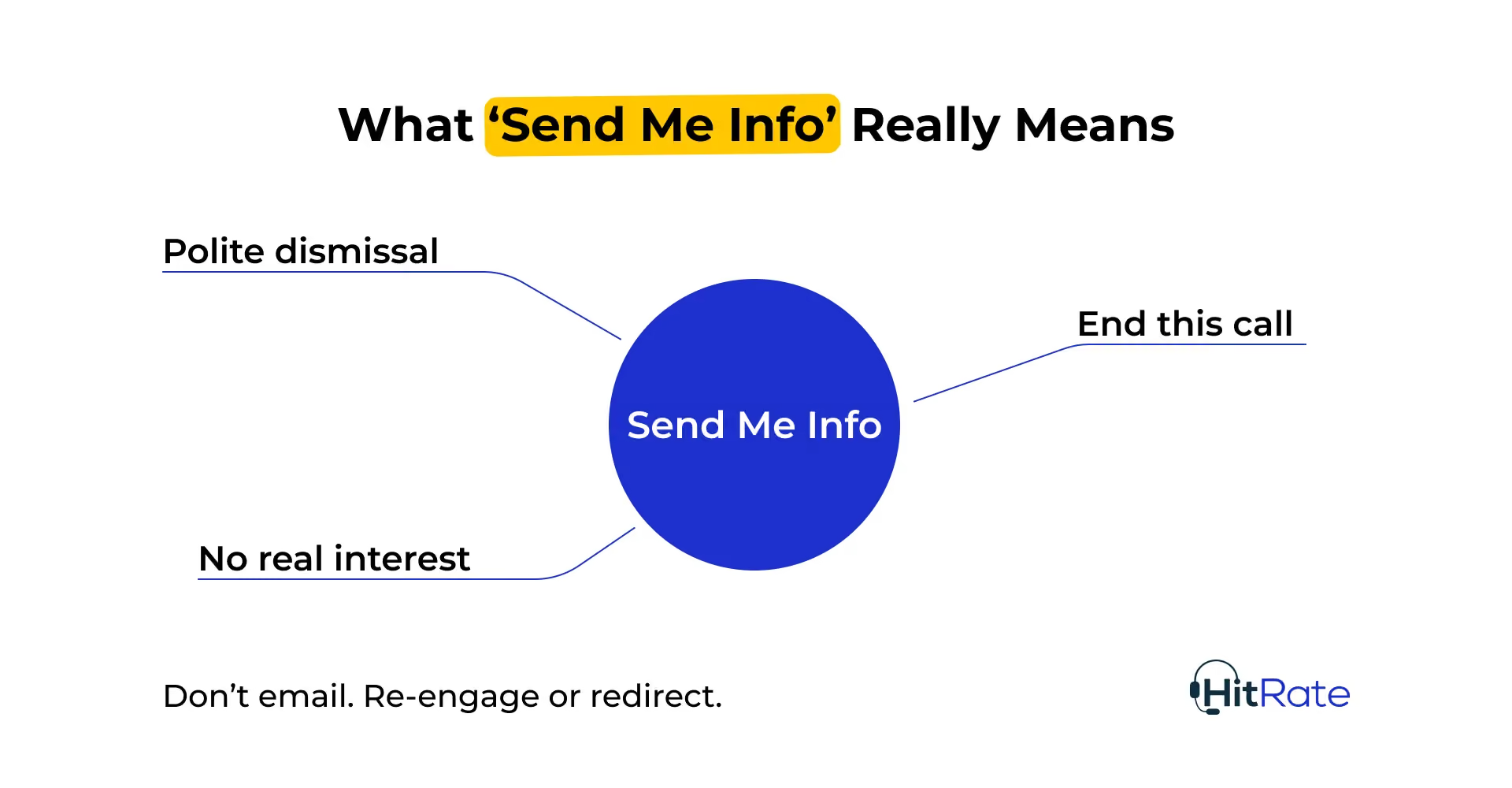
Serves as a polite dismissal requiring a completely different approach than providing requested materials. This objection typically means prospects want to end the conversation without seeming rude, rather than expressing genuine interest in receiving detailed information.
The underlying message is usually "Earn my attention first before I'll invest time reviewing your materials".
6. "I'm Not the Right Person"
This objection often occurs when insufficient research leads to contacting the wrong department or role. It can also indicate that your value proposition wasn't tailored to their specific responsibilities and challenges.
7. "I'm Busy Right Now"
This immediate response usually signals that your timing was poor or your opening didn't create enough urgency. The prospect is giving you a quick escape route to end the conversation without engagement.
8. "I'm Not the Decision Maker"
This response indicates either poor prospect research or that you haven't established enough value to warrant involving the actual decision maker. It can also be a deflection tactic to avoid the sales conversation entirely.
9. "We're Comfortable with Our Existing Platform"
This objection suggests that prospects have invested significant time and resources in their current solution. They're expressing resistance to change due to sunk costs and comfort with familiar processes.
10. "How Did You Get This Number?"
This defensive response indicates the prospect feels their privacy was invaded or they're questioning your legitimacy. It often signals distrust and requires immediate damage control to salvage the conversation.
11. "Our Technology Team Is Taking Care of This"
This objection shows that the prospect recognizes the problem you're addressing but believes their internal resources are sufficient. They may not understand the additional value your solution provides beyond their current approach.
These 11 responses represent universal defensive patterns rather than industry-specific concerns, making them predictable elements of most cold calling campaigns. Successfully handling these situational objections requires understanding their psychological roots rather than treating them as insurmountable barriers to sales conversations.
What Are the 5 Steps for Objection Handling? The H.E.A.R.D. Method
Professional objection handling requires a systematic approach that transforms defensive responses into productive dialogue. The HEARD method provides a structured framework that helps sales reps navigate any objection with confidence while maintaining positive relationships with potential customers.
1. Hear: Acknowledge Without Agreement
Listen completely to the prospect's objection without interrupting or immediately formulating your response. This step demonstrates respect for their concerns while giving you crucial information about their underlying challenges and decision-making process.
2. Empathize: Show Understanding
Express genuine understanding of their perspective without necessarily agreeing with their position. Use phrases like "I completely understand why that would be a concern" to validate their feelings while keeping the conversation forward-moving.
3. Apologize: Take Responsibility When Appropriate
Offer a brief, sincere apology when your approach contributed to their concern, such as calling at an inconvenient time or providing unclear information. This step builds trust and demonstrates professionalism without accepting blame for their business challenges.
4. Resolve: Address the Core Concern
Provide specific solutions or information that directly addresses their stated objection while connecting to their broader business needs. Focus on delivering more value rather than simply countering their resistance with generic sales pitch elements.
5. Diagnose: Uncover the Real Issue
Ask open-ended questions to explore whether the stated objection masks deeper concerns or different priorities. This step often reveals the prospect's real challenges and creates opportunities for more relevant, valuable conversations.
Objection-Specific Response Scripts That Actually Work
Effective objection handling requires more than understanding psychology — it demands specific language that acknowledges concerns while advancing sales conversations. These proven response scripts address the most common objections with techniques that demonstrate value rather than applying pressure to resistant prospects.
These responses work because they incorporate the 3 C's of cold calling — Clarity, Confidence, and Curiosity — within each objection response. How you sound — not just what you say — significantly affects whether prospects feel respected, making your tone of voice a crucial tool in diffusing objections early.
Advanced Techniques: Reading Between the Lines
Mastering objection handling skills requires reading subtle cues that reveal whether prospects are genuinely concerned or simply deflecting unwanted sales pressure. Advanced cold callers develop instincts for distinguishing between real objections that deserve detailed responses and dismissive objections that signal fundamental disinterest or poor timing.
- Tone analysis to distinguish real objections from brush-offs: Listen for hesitation, questions within objections, or requests for clarification that indicate genuine consideration versus flat, immediate responses that suggest automatic defensive reactions.
- How to handle the "hidden objection" (what they don't say): Address unspoken concerns about trust, timing, or authority by asking diagnostic questions that uncover the real barriers preventing decision-making progress.
- Timing your responses for maximum impact: Allow brief pauses after delivering responses to let prospects process information, but don't let silence extend long enough to create awkwardness or lost momentum in the conversation.
- When to push back vs. when to retreat gracefully: Recognize when persistence demonstrates value versus when continued pressure damages relationship potential — typically after the second similar objection without engagement questions.
- Using silence as a tool after delivering your response: Strategic pauses after addressing objections often prompt prospects to reveal additional information or concerns that weren't included in their initial defensive response.
Cold Callers’ Common Mistakes That Kill Your Credibility
Even experienced sales reps make critical errors when handling objections that immediately destroy trust and eliminate any chance of productive follow-up conversations. Understanding these credibility killers helps avoid the most damaging responses that turn potential customers into permanent rejections.
Arguing with Prospects Creates Adversarial Relationships
Never challenge a prospect's objection directly or attempt to prove them wrong about their stated concerns. This approach immediately creates adversarial dynamics that make prospects defensive and resistant to any value proposition you might offer.
What NOT to say:
- "That's not true — our clients save money immediately."
- "You're wrong about that industry standard."
- "That doesn't make sense given your situation."
Failing to Acknowledge Objections Before Responding
Jumping directly into counter-arguments without acknowledging the prospect's concern creates the impression that you weren't listening or don't respect their perspective. Always validate their position before offering alternative viewpoints or additional information.
Over-Explaining After Getting a Positive Response
Once prospects show interest or agree to next steps, resist the temptation to provide additional convincing arguments that might create new objections. Keep momentum moving forward rather than potentially talking yourself out of successful outcomes.

Not Having Clear Next Steps After Overcoming Objections
Successfully addressing an objection means nothing without a specific, time-bound next step that advances the sales process. Always have concrete follow-up actions ready that make sense given the prospect's situation and expressed interests.
These mistakes transform potentially successful cold calling conversations into missed opportunities that damage both immediate outcomes and long-term relationship potential. Professional cold callers avoid these credibility killers by maintaining authentic, respectful dialogue focused on understanding rather than convincing prospects of predetermined solutions.
Tracking Cold Calling Objection Handling Success
Tracking the right metrics helps identify which objection handling techniques deliver real results versus which approaches waste time and damage prospect relationships. Effective measurement focuses on conversion outcomes rather than activity levels, providing actionable insights for continuous improvement.
- Objection-to-appointment conversion rates: This metric reveals how effectively your team transforms initial resistance into scheduled meetings with qualified prospects.
- Time spent on objection handling per call: Monitor average time invested in objection responses to ensure efficiency without sacrificing thoroughness in addressing prospect's concerns.
- Most common objections by industry and role: Analyze objection patterns across different industries and prospect roles to identify preparation gaps and refine targeting strategies.
- Success rates by objection type: Compare conversion outcomes across different objection categories to identify which responses need improvement and which techniques consistently overcome resistance.
- Team performance improvements over time: Track individual and team progression in objection handling effectiveness to measure training ROI and identify coaching opportunities, with consistent improvement indicating effective skill development.
Important insight: If timing objections exceed 40% of all responses, this typically indicates poor research or inappropriate contact timing rather than genuine scheduling conflicts.
Master Cold Calling Success with Hit Rate Solutions
Objection handling is a learnable skill that dramatically impacts your team's conversion rates and overall sales effectiveness when properly developed and consistently applied. While these techniques can be taught internally through dedicated training programs, many successful companies partner with experienced outsourced cold call centers to leverage this expertise immediately rather than investing months in skill development.
As an outsourced call center, Hit Rate Solutions has extensive experience in dealing with objections across diverse industries and prospect types, helping businesses consistently convert resistant prospects into qualified opportunities. Contact us today to discover how our proven objection-handling expertise can transform your lead generation results and accelerate your business growth.